
Travel guide: Coffee Triangle
Coffee farms among green mountains and a living coffee culture
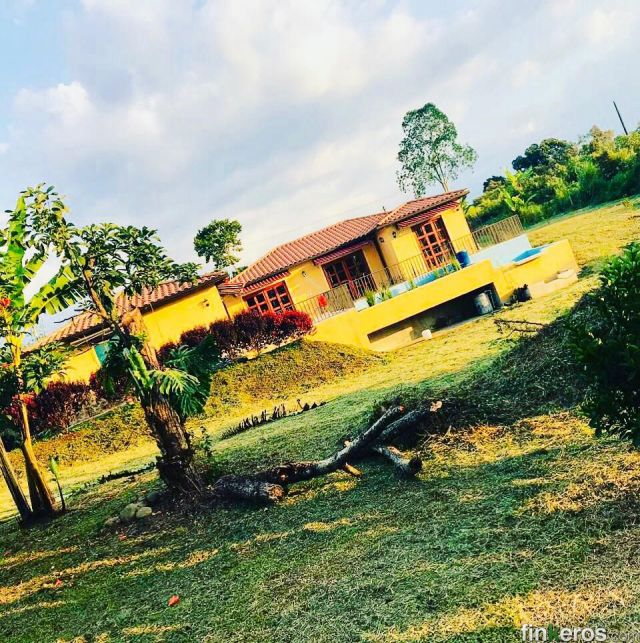
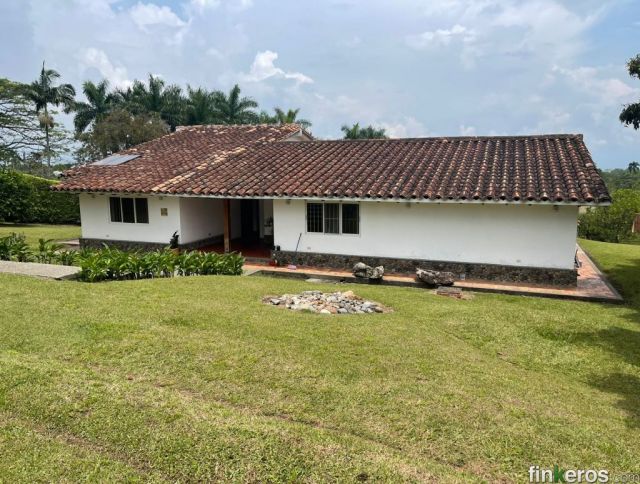
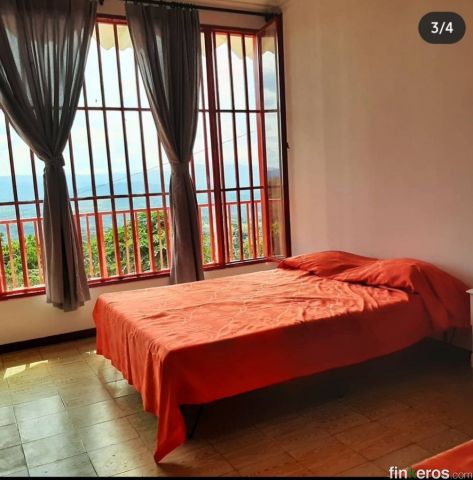
- Pereira has most of the fincas.
- Valle de Cocora, Parque del Café and the hot springs of Santa Rosa de Cabal.
- The Coffee Cultural Landscape is a UNESCO World Heritage Site.
The Coffee Cultural Landscape
The Coffee Cultural Landscape of Colombia has been on UNESCO's World Heritage List since 2011. It covers rural areas of Caldas, Quindío, Risaralda and northern Valle del Cauca. Many coffee farms have been adapted to host guests and offer tours of how coffee is grown and processed.
What to do
The Parque del Café, a coffee-themed amusement park, is in Montenegro. The Valle de Cocora, in Salento, is home to the Quindío wax palm, Colombia's national tree, which grows taller than 50 meters (about 165 ft). Santa Rosa de Cabal has hot springs. Filandia and Salento are the most visited towns built in bahareque (traditional wattle-and-daub). You can cover all of this in 3 or 4 days.
Getting there
From Bogotá there are direct flights to Pereira (Matecaña airport) and Armenia (El Edén airport), about an hour each; Avianca flies both routes and other airlines add flights depending on the season. By road it is 6 to 8 hours via Ibagué and the Túnel de la Línea, a tunnel opened in 2020 that avoids the climb over the La Línea pass. From Cali, 3 to 4 hours. From Medellín, 4 to 5 hours via La Pintada. Distances within the region are short: Armenia to Salento, about 40 minutes; Armenia to Montenegro, about 20; Pereira to Santa Rosa de Cabal, about 25.
What they won't tell you
It rains a lot. April-May and October-November are the wettest months, and the rural roads to many fincas are unpaved. Ask whether a regular car can get there or whether you need a campero (a 4x4). In Salento and the Valle de Cocora, on holiday weekends (Colombia moves most public holidays to a Monday, creating long weekends) there are lines of cars waiting to get into town.